
Every construction site has its own soundtrack. The hum of mixers, the clank of steel, the shout of instructions. And then there is the quiet sound no one listens to carefully enough. The slow damage caused by moisture.
It does not announce itself. It does not break things dramatically on day one. It simply seeps in, stays there, and patiently weakens materials from within. This is especially true for shuttering plywood.
On paper, names like moisture resistant plywood, moisture resistant ply, moisture proof plywood, and water resistant plywood sheets sound reassuring. On site, under real conditions, the story is very different.
Let us look at the moisture related failures commonly seen in shuttering plywood, why they happen despite all these labels, and why plastic shuttering sheets by WoWMaterials, WoWBoards, offer a far more reliable solution.
Why Moisture Is the Biggest Enemy of Shuttering Plywood
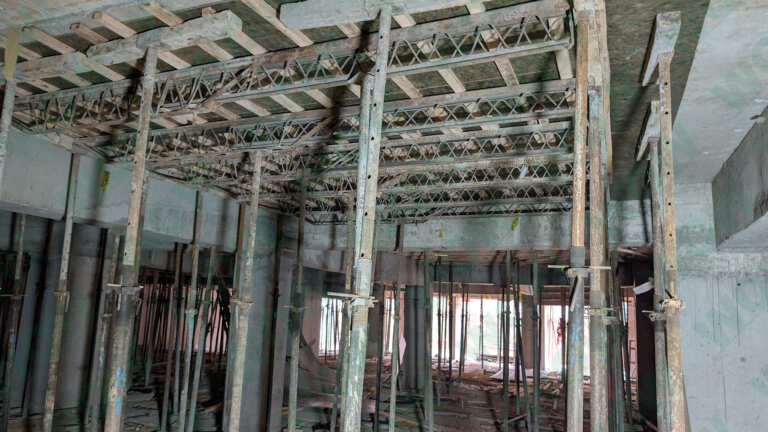
Shuttering work is, by nature, wet work. Concrete needs water to cure. Slabs are kept wet for days. Rain often adds to the problem. Humidity slows down drying. Boards are stacked on damp ground.
Moisture exposure is not occasional. It is constant.
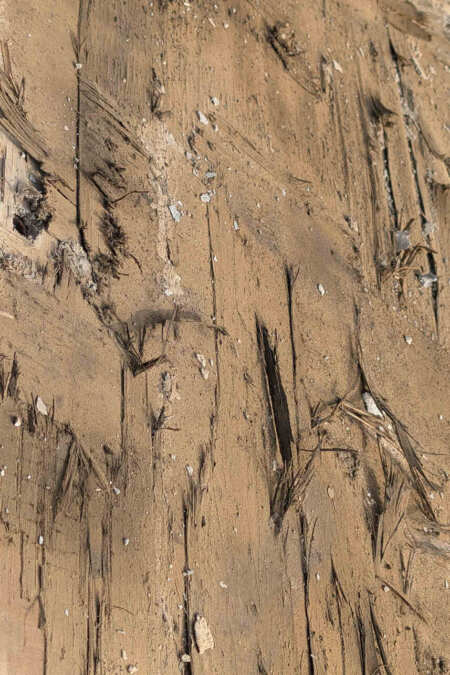
Plywood, regardless of how it is branded, is still wood at its core. Wood absorbs moisture. That basic truth is where most failures begin.
The glue may be moisture resistant. The surface may be treated. But once moisture enters the wood layers, the damage starts quietly and spreads steadily.
Failure 1: Swelling That Distorts Concrete Shape
The most visible moisture related failure is swelling.
Even water resistant plywood absorbs moisture through edges, screw holes, and minor surface damage. The wood fibres expand. Thickness increases slightly. Length and width distort.
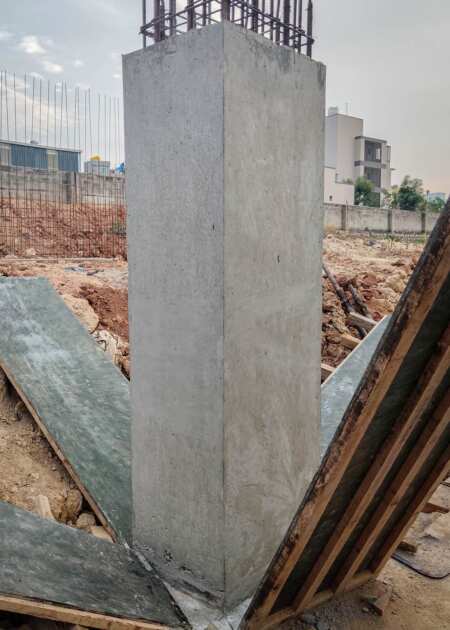
In shuttering, even a few millimetres of swelling matters. Concrete follows the mould exactly. If the mould swells, the slab surface becomes uneven. Beam edges lose sharpness. Columns no longer look crisp.
This is why a shuttering plywood sheet that looked perfectly flat when installed suddenly seems misaligned during demoulding.
Failure 2: Warping That Compromises Alignment
Moisture does not enter plywood evenly. Some areas get wetter than others. This uneven absorption causes warping.
A board that warps pulls away from supports. Gaps appear. Concrete leaks. Honeycombing occurs. Surface finish suffers.
No amount of skill from the labour team can fully compensate for a warped shuttering board. Once shape is lost, alignment is compromised.
Failure 3: Delamination of Layers
Most moisture resistant ply is made by bonding multiple veneers together with adhesive. Over repeated wetting and drying cycles, the glue begins to weaken.
Delamination usually starts at the edges. It may not be visible immediately, but internally the board is losing strength.
A delaminated shuttering board becomes unpredictable. It may hold one pour and fail on the next. That unpredictability is a serious risk on site.
Failure 4: Loss of Load Bearing Capacity
Wet plywood does not behave the same way as dry plywood.
As moisture content increases, stiffness reduces. The board flexes more under the weight of wet concrete. Sagging becomes visible.
To compensate, sites often add more props or reduce spacing. This increases labour and material costs. Even then, results are inconsistent.
This gradual loss of strength is one of the most expensive moisture related failures, because it forces changes in formwork design mid project.
Failure 5: Surface Degradation and Poor Finish
Many water resistant plywood sheets rely on a surface film or treatment to improve finish.
Under moisture exposure, this surface begins to peel, blister, or wear away. Wood fibres get exposed. Concrete starts picking up these imperfections.
The result is rough patches, visible marks, and inconsistent finish. Extra plastering becomes necessary. Time and cost increase.
Concrete does not forgive a tired mould.
Failure 6: Damage Before the Board Is Even Used
One of the least discussed problems is pre use damage.
Shuttering plywood is often stored on site for days or weeks. During monsoon or in humid regions, boards stacked on damp soil absorb moisture even before installation.
By the time they are fixed into shuttering, internal damage has already begun.
This means failure is built in before the first pour.
Why Labels Like Moisture Resistant and Water Resistant Fall Short
Labels such as moisture proof plywood or water resistant plywood create a false sense of security.
They usually refer to:
- Type of adhesive used
- Surface treatment
- Controlled laboratory performance
They do not account for:
- Continuous curing water
- Rain exposure
- Humidity day and night
- Rough site handling
- Repeated reuse
Construction sites are not laboratories. Moisture exposure is not controlled or limited.
This is why even premium plywood grades struggle in shuttering applications.
The Core Problem Is the Material Itself
All moisture related failures in shuttering plywood trace back to one fact. Plywood is wood.
As long as wood is part of the system, moisture will eventually cause problems. Treatments can delay failure, but they cannot eliminate it.
This is where the solution lies not in better plywood, but in a different material altogether.
Why Plastic Shuttering Sheets Solve Moisture Problems at the Root
Plastic behaves fundamentally differently from wood.
Plastic does not absorb water.
Plastic does not swell.
Plastic does not warp due to moisture.
Plastic does not delaminate.
A plastic shuttering sheet remains dimensionally stable regardless of how wet the environment becomes.
This single property eliminates almost every moisture related failure seen in shuttering plywood.
How WoWBoards Change the Shuttering Experience
WoWBoards, the plastic shuttering sheets by WoWMaterials, are engineered specifically for construction environments where moisture is unavoidable.
They are not coated plywood. They are not treated wood. They are solid plastic boards made to handle water, load, and repetition.
Moisture Immunity
WoWBoards do not absorb water. Rain, curing water, and humidity have no effect on their shape or strength.
Consistent Strength
Because moisture does not weaken the material, load bearing capacity remains consistent across uses.
Stable Alignment
No swelling or warping means shuttering alignment stays intact. Concrete comes out as designed.
Clean Surface Finish
Plastic surfaces do not peel. Concrete does not stick easily. Finish quality remains consistent over many pours.
Longer Reuse Life
While plywood degrades steadily, WoWBoards maintain performance for a much higher number of cycles.
The Cost of Moisture Related Failures and the Hidden Savings
Moisture related plywood failures do not show up as a single big expense. They show up as:
- Extra plastering
- Rework
- Replacement boards
- Additional props
- Delays
These costs accumulate quietly across a project.
Plastic shuttering sheets reduce these hidden costs by removing the source of the problem.
This is why contractors who switch often notice savings even if the initial material cost seems higher.
Why Indian Conditions Demand Plastic, Not Plywood
Indian construction faces:
- Heavy monsoons
- High humidity
- Long curing cycles
- Outdoor storage
In such conditions, relying on moisture resistant plywood for shuttering is a gamble.
Plastic shuttering sheets are not resistant to moisture. They are immune to it.
That difference matters.
Conclusion: Moisture Failures Are Not Inevitable
Swelling, warping, delamination, and poor finish are not unavoidable realities of shuttering work. They are the result of using a material that reacts to moisture in an environment full of moisture.
As long as wood is part of shuttering, moisture will win eventually.
Plastic shuttering sheets by WoWMaterials, WoWBoards, remove moisture from the equation entirely.
They offer predictability, durability, and consistency that plywood simply cannot deliver under wet conditions.
Eliminate Moisture Failures With WoWBoards
If you are tired of managing moisture related failures in shuttering plywood, it may be time to change the material, not the method.
Choose WoWBoards, the plastic shuttering sheets designed for real site conditions.
No swelling. No warping. No surprises.
Just better concrete, pour after pour.